
From cells to seas,
decoding resilience.
Listen. Question. Share.
-
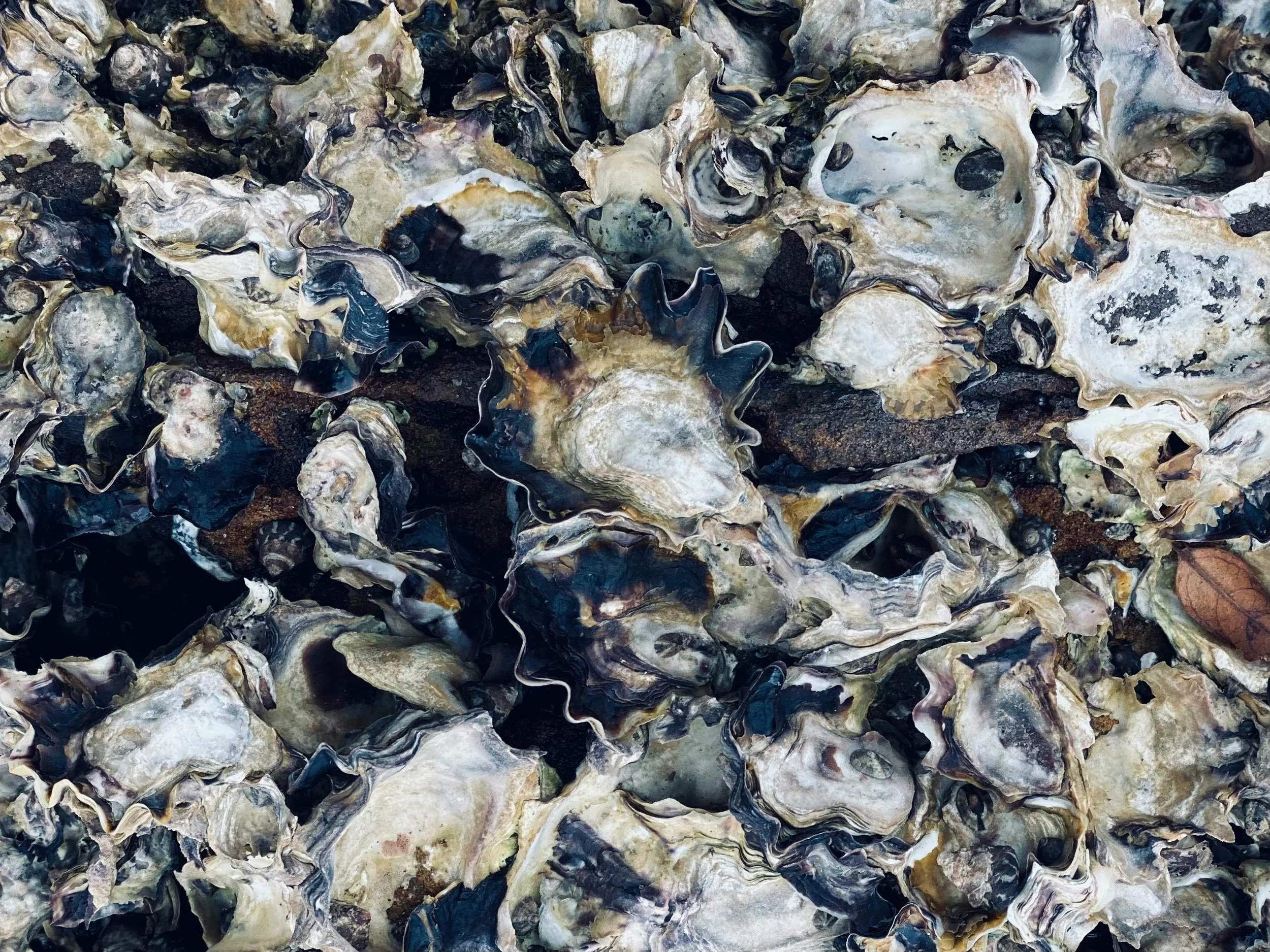
..to identify problems facing industry, fostering a community-based approach for project development and exploration as the foundation of our research.
-
..to formalize assumptions and sharpen focus for systematic investigation
The critical analytical step where problems are put to the test!
-
..to close the loop between discovery and impact.
Our ultimate goal is to develop practical, real-world solutions or tools based on our findings, addressing industry needs to increase return for growers
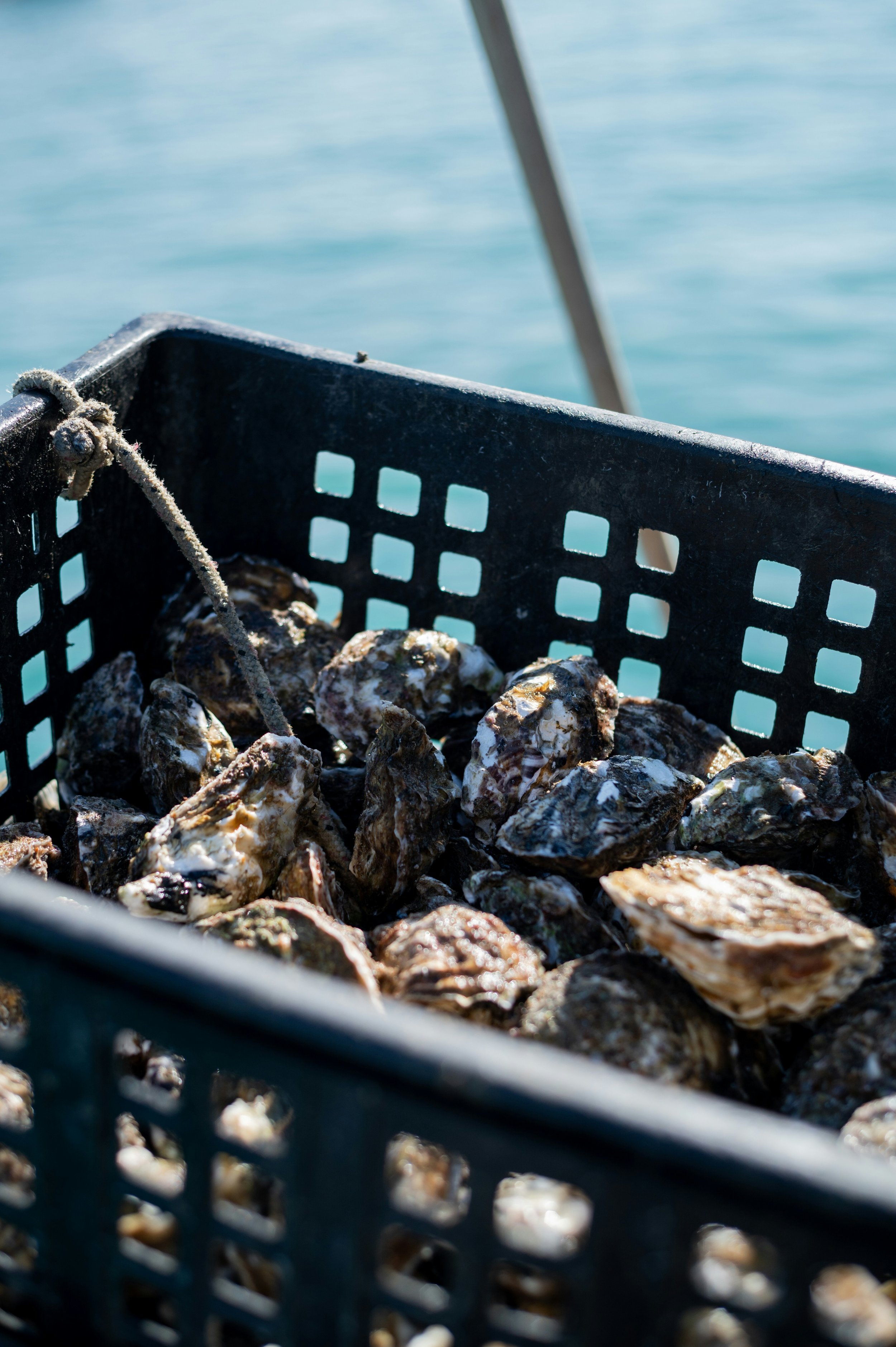
Where Fundamental Biology Meets Real-World Application
Our lab works at the intersection of discovery and application. We connect mechanistic science—understanding how changes happen at the molecular level—to measurable gains for sustainable aquaculture solutions. This loop between fundamental biology and aquaculture innovation defines our mission.
Focus Pillars:
🧬 Cellular Biology
🐚 Aquaculture Practice
🌊 Environmental Resilience
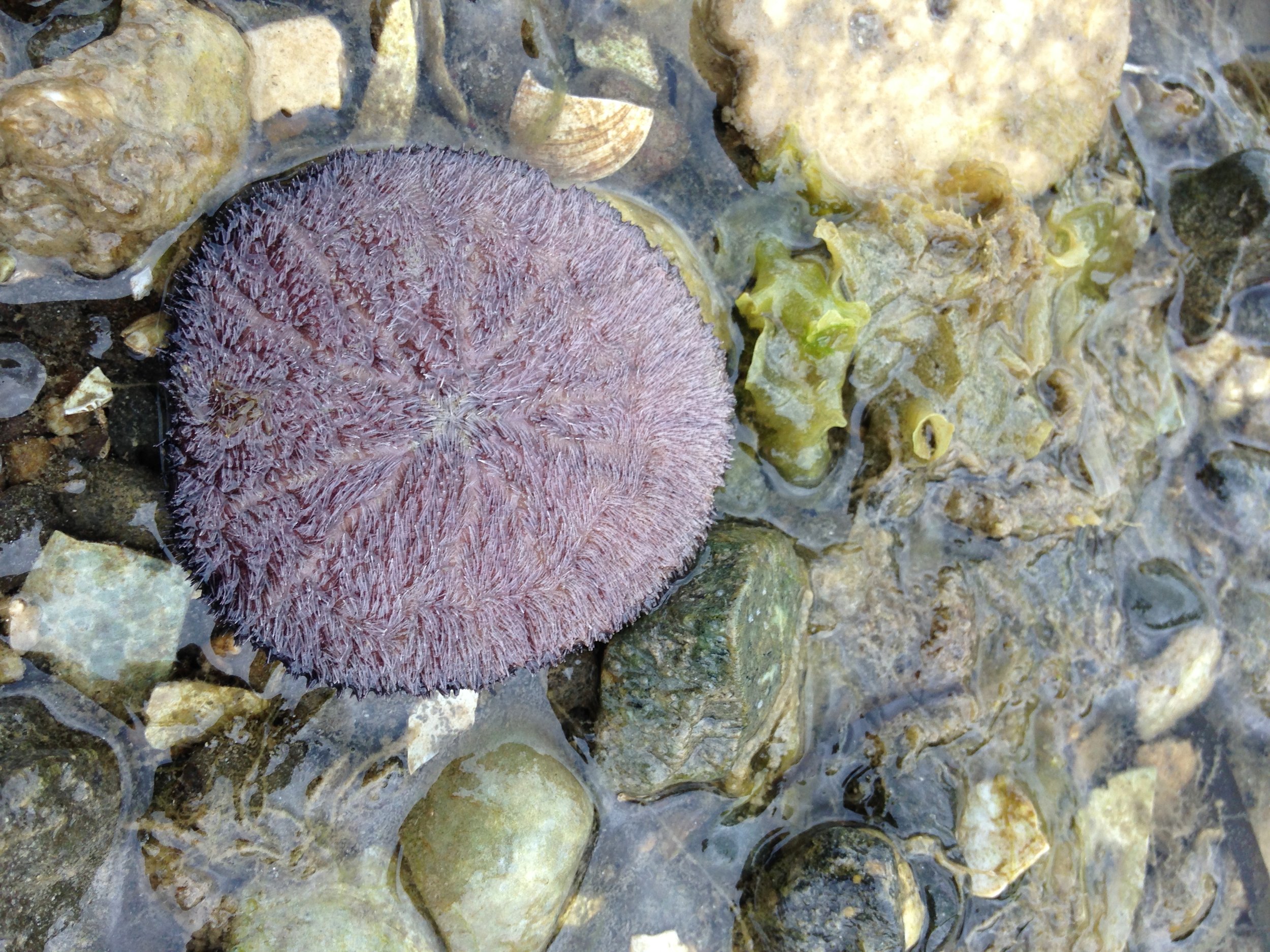
The Adaptive Trait Discovery Cycle
Our approach is to detect biological traits that drive tolerance to shifting ocean conditions. We integrate cytology, physiology, and multi-omics to track changes from the cell to the whole organism, to holistically characterize mechanisms underpinning improved performance.
Our goals feed directly into aquaculture solutions. We test strategies like early-life programming, genetic adaptation, and physiological conditioning in hatchery and field trials. This cycle ensures our science is continually translated into actionable innovations for mariculture.
Our Scientific Approach

Our work connects molecular detail to ecosystem-scale understanding. We integrate cytology, physiology, and multi-omics to study how shellfish respond to environmental stressors like acidification, warming, and oxygen loss. By tracking changes from the cell to the whole organism, we uncover the biological traits—what we call candidate traits—that drive resilience, growth, and survival under shifting ocean conditions.
These insights feed directly into applied aquaculture solutions. We test early-life programming, genetic adaptation, and physiological conditioning to identify strategies that improve hatchery performance and long-term productivity. This loop between fundamental biology and field application defines our lab’s mission: turning mechanistic science into measurable gains for sustainable aquaculture and coastal resilience.

Aquaculture amidst
global change
Connecting Mechanisms to Management
We integrate mechanistic biology—cytology, physiology, and multi-omics—with applied aquaculture questions to identify candidate traits that improve tolerance and performance.
Our findings cycle back into hatchery practice to build more resilient aquaculture systems.
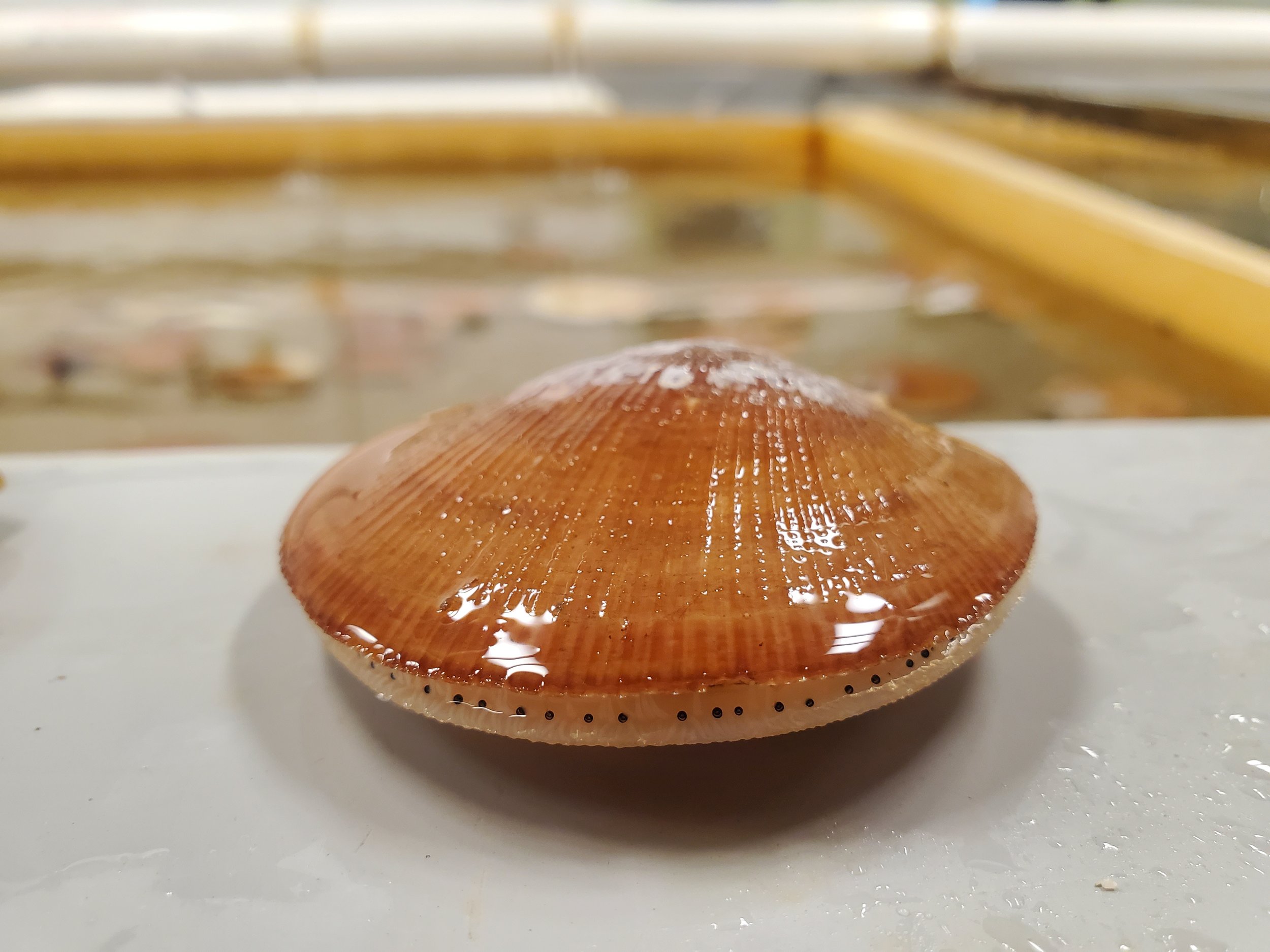
Now recruiting:
Graduate students and research assistants.
See Join the Lab for details.
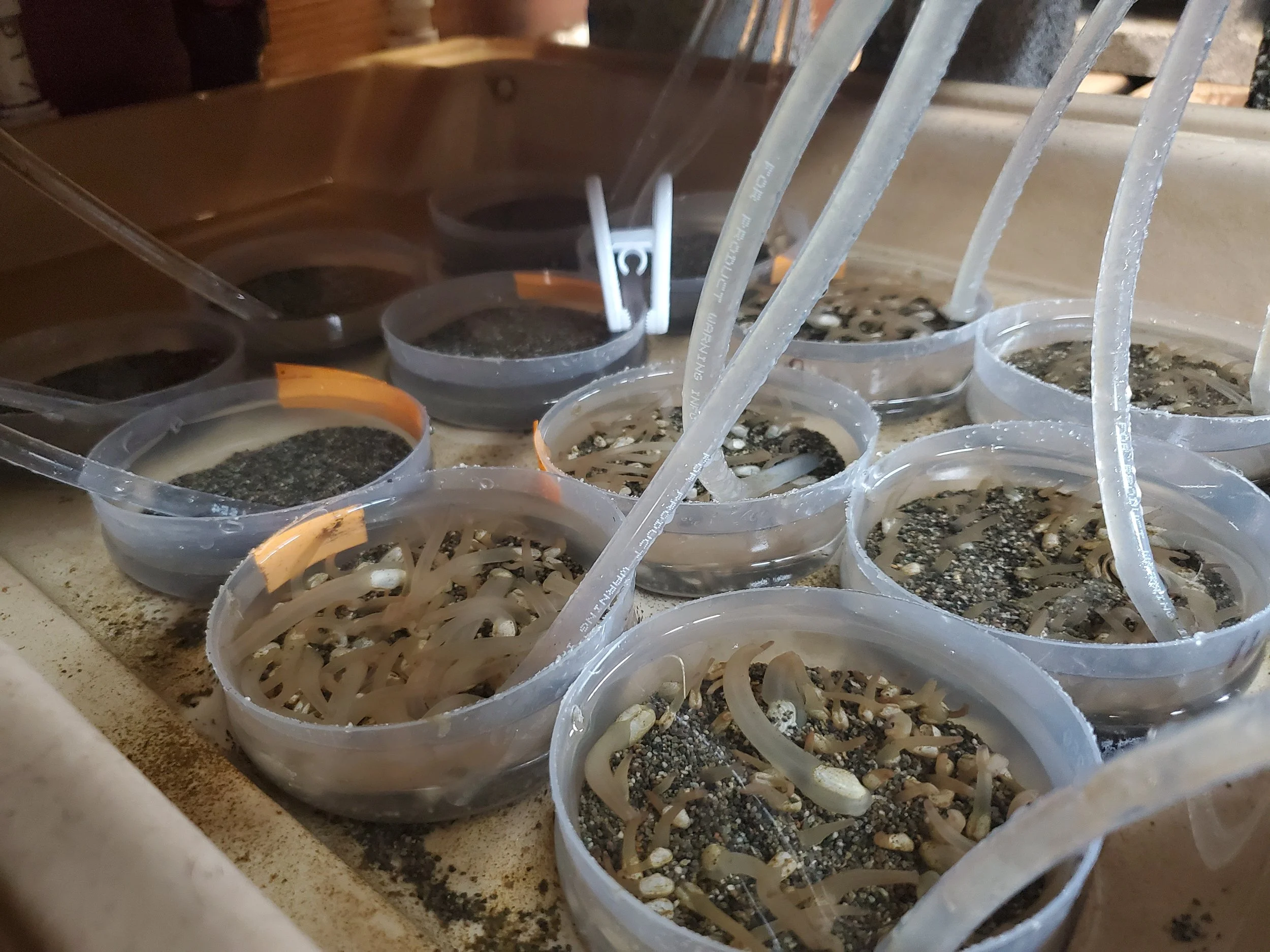
-
Curious about how cellular biology connects to real-world aquaculture? Our lab offers opportunities for graduate and undergraduate students to contribute to active, cross-disciplinary projects.
-
From data analysis to hatchery trials, we welcome collaborators who share an interest in understanding how life adapts under stress.
-
Gain hands-on experience in molecular biology, bioinformatics, and applied fieldwork while contributing to sustainable aquaculture solutions.
🐚 Outreach & Real-World Connection
Research Rooted in Coastal Communities
We collaborate directly with shellfish farmers and resource managers to translate discovery into resilience strategies that benefit local economies.
From Hatchery to Habitat
Every experiment aims to connect lab-based insight with ecosystem-scale understanding—bridging controlled studies with real-world aquaculture conditions.